
In today’s busy world, noise has become one of the biggest hidden stress factors in our homes. Whether it’s traffic outside, noisy neighbours, household activity, or echoing rooms, unwanted sound can seriously affect comfort, sleep quality, concentration, and overall wellbeing. That’s why more homeowners are now actively looking for professional sound insulation Dublin solutions to create quieter, more peaceful living environments.
Sound insulation is no longer just for recording studios or apartments. It is now a core part of modern home improvement, helping families enjoy their homes without constant disturbance. This guide provides an A–Z overview of sound insulation, explaining how it works, where it helps most, and what solutions are available.
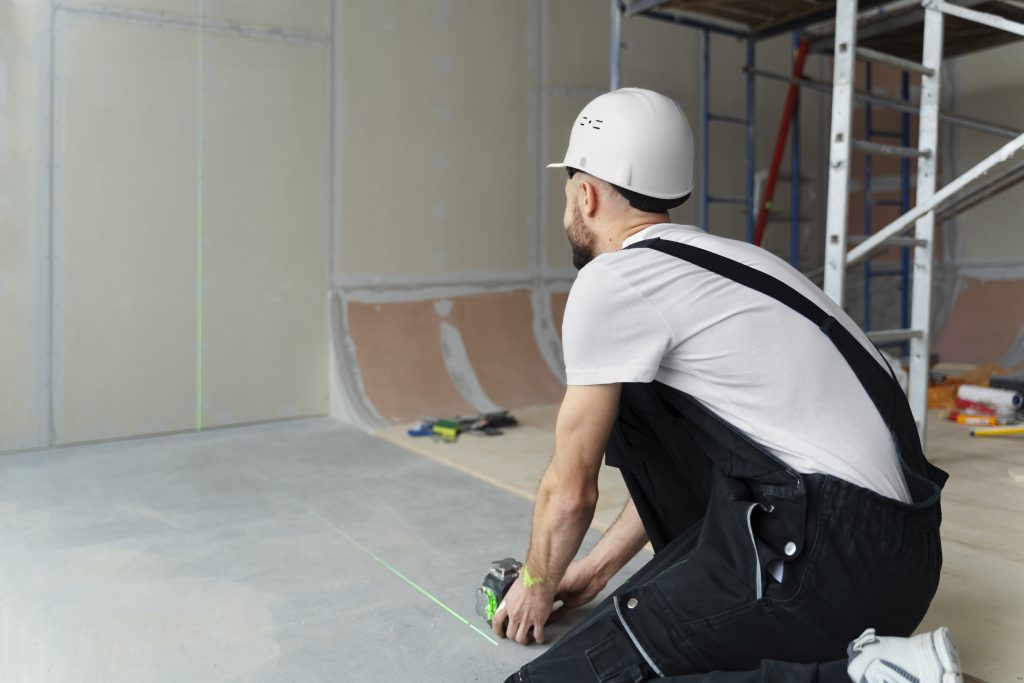 Why Sound Insulation Matters in Modern Homes
Noise pollution doesn’t just cause irritation — long-term exposure can lead to poor sleep, increased stress, reduced productivity, and lower quality of life. Homes in urban and suburban areas are particularly affected by:
- Road and traffic noise
- Neighbouring properties
- Home entertainment systems
- Plumbing and mechanical sounds
- Footsteps and impact noise between floors
Sound insulation reduces the transmission of these noises, allowing rooms to feel calmer, more private, and more comfortable.
Understanding How Sound Travels
To choose the right solution, it helps to understand how sound behaves:
-
Airborne noise – voices, music, televisions, traffic
-
Impact noise– footsteps, dropped objects, furniture movement
Effective sound insulation uses specialised materials and construction techniques to block, absorb, or dampen these sound waves before they travel through walls, floors, and ceilings.
Key Areas Where Sound Insulation Is Most Effective
1. Walls
Internal and party walls are major sound pathways. Insulating walls can dramatically reduce noise between rooms or neighbouring properties. This is especially beneficial for bedrooms, home offices, nurseries, and semi-detached or terraced houses.
2. Ceilings and Floors
Footsteps and movement from above are common complaints. Floor and ceiling soundproofing systems can minimise impact noise and improve privacy between levels of the home.
3. Doors and Windows
Even well-insulated walls lose effectiveness if doors and windows leak sound. Acoustic glazing, solid core doors, and proper sealing play an important supporting role.
4. Home Studios and Media Rooms
Purpose-designed sound insulation creates controlled acoustic environments for music rooms, gaming setups, and home cinemas.
Popular Sound Insulation Solutions
Modern sound insulation combines materials and methods such as:
- Acoustic mineral wool
- Sound-resistant plasterboard
- Resilient bars and isolation systems
- Floating floors
- Acoustic panels and membranes
- Sealed structural detailing
These solutions work together to block sound transmission while also improving thermal comfort and overall building performance.
Benefits Beyond Noise Reduction
Installing sound insulation doesn’t only make homes quieter. It also:
- Improves privacy between rooms and neighbours
- Enhances property value
- Increases comfort and usability of living spaces
- Supports better sleep and mental wellbeing
- Complements energy-efficient upgrades
For homeowners planning broader improvements, sound insulation fits naturally into any home renovation Dublin project. It is often installed alongside extensions, attic conversions, flooring upgrades, or internal refurbishments to deliver a more complete transformation.
When Is the Best Time to Install Sound Insulation?
While soundproofing can be retrofitted, the most cost-effective time is during renovation or remodelling work. Walls and floors are already being accessed, which reduces labour, disruption, and long-term cost. However, targeted upgrades can also be carried out in specific rooms without major structural work.
Choosing the Right Sound Insulation Approach
Every home and noise issue is different. The best results come from:
- Identifying noise sources
- Assessing building structure
- Selecting purpose-designed systems
- Using professional installation methods
A tailored approach ensures materials work together effectively rather than simply adding thickness without proper performance.
Creating a Quieter, Healthier Home
A quiet home supports rest, productivity, family life, and mental wellbeing. With modern sound insulation systems, homeowners no longer have to accept constant noise as part of daily living. Whether your goal is peaceful bedrooms, focused workspaces, or improved neighbour separation, sound insulation offers a long-term solution that transforms how a home feels and functions.
Frequently Asked Questions
Q1. Does sound insulation completely block all noise?
Sound insulation significantly reduces noise but does not usually eliminate it 100%. The goal is to lower sound levels to a point where they are no longer disruptive, creating a much quieter and more comfortable environment.
Q2. Which rooms benefit most from sound insulation?
Bedrooms, home offices, nurseries, living rooms, and rooms with shared walls or floors benefit most. Media rooms and attic conversions are also ideal candidates.
Q3. Can sound insulation be added without major building work?
Yes. Many modern systems can be installed on existing walls, ceilings, and floors with minimal disruption, depending on the level of sound reduction required.
Q4. Is sound insulation worth the investment?
Absolutely. It improves daily comfort, supports better health, enhances privacy, and increases overall home appeal and value, making it one of the most practical long-term home upgrades.