Sound Insulation Solutions for Quieter Homes

In today’s busy world, noise has become one of the biggest hidden stress factors in our homes. Whether it’s traffic outside, noisy neighbours, household activity, or echoing rooms, unwanted sound can seriously affect comfort, sleep quality, concentration, and overall wellbeing. That’s why more homeowners are now actively looking for professional sound insulation Dublin solutions to create quieter, more peaceful living environments.

Sound insulation is no longer just for recording studios or apartments. It is now a core part of modern home improvement, helping families enjoy their homes without constant disturbance. This guide provides an A–Z overview of sound insulation, explaining how it works, where it helps most, and what solutions are available.
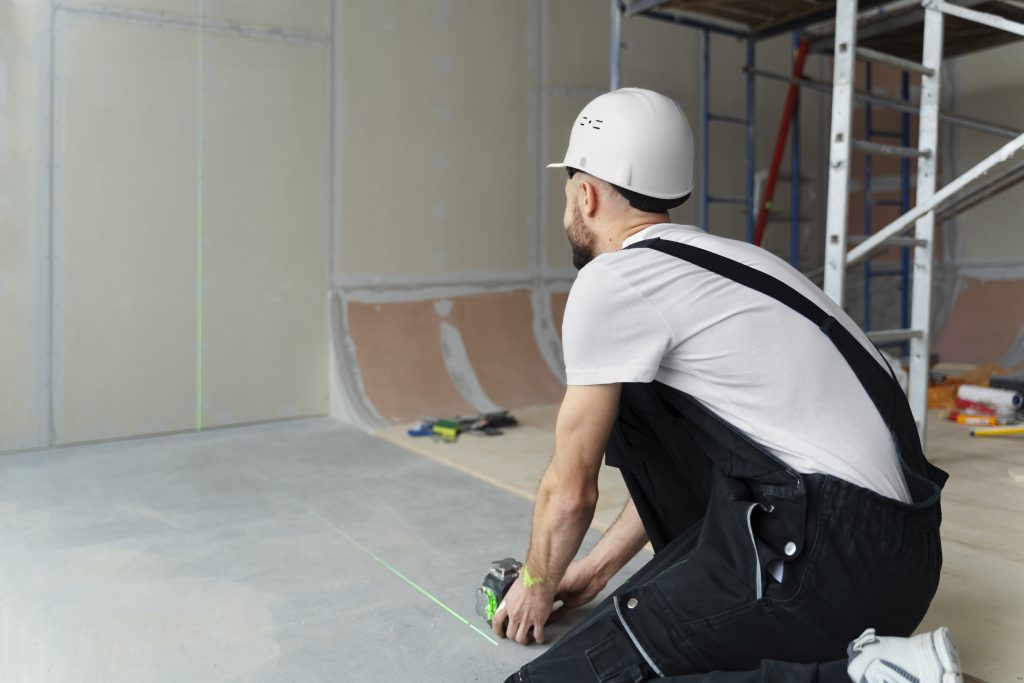
Sound Insulation Solutions for Quieter Homes Why Sound Insulation Matters in Modern Homes

Noise pollution doesn’t just cause irritation — long-term exposure can lead to poor sleep, increased stress, reduced productivity, and lower quality of life. Homes in urban and suburban areas are particularly affected by:

  • Road and traffic noise
  • Neighbouring properties
  • Home entertainment systems
  • Plumbing and mechanical sounds
  • Footsteps and impact noise between floors

Sound insulation reduces the transmission of these noises, allowing rooms to feel calmer, more private, and more comfortable.

Understanding How Sound Travels

To choose the right solution, it helps to understand how sound behaves:

  • Airborne noise – voices, music, televisions, traffic
  • Impact noise– footsteps, dropped objects, furniture movement

Effective sound insulation uses specialised materials and construction techniques to block, absorb, or dampen these sound waves before they travel through walls, floors, and ceilings.

Key Areas Where Sound Insulation Is Most Effective

1. Walls

Internal and party walls are major sound pathways. Insulating walls can dramatically reduce noise between rooms or neighbouring properties. This is especially beneficial for bedrooms, home offices, nurseries, and semi-detached or terraced houses.

2. Ceilings and Floors

Footsteps and movement from above are common complaints. Floor and ceiling soundproofing systems can minimise impact noise and improve privacy between levels of the home.

3. Doors and Windows

Even well-insulated walls lose effectiveness if doors and windows leak sound. Acoustic glazing, solid core doors, and proper sealing play an important supporting role.

4. Home Studios and Media Rooms

Purpose-designed sound insulation creates controlled acoustic environments for music rooms, gaming setups, and home cinemas.

Popular Sound Insulation Solutions

Modern sound insulation combines materials and methods such as:

  • Acoustic mineral wool
  • Sound-resistant plasterboard
  • Resilient bars and isolation systems
  • Floating floors
  • Acoustic panels and membranes
  • Sealed structural detailing

These solutions work together to block sound transmission while also improving thermal comfort and overall building performance.

Benefits Beyond Noise Reduction

Installing sound insulation doesn’t only make homes quieter. It also:

  • Improves privacy between rooms and neighbours
  • Enhances property value
  • Increases comfort and usability of living spaces
  • Supports better sleep and mental wellbeing
  • Complements energy-efficient upgrades

For homeowners planning broader improvements, sound insulation fits naturally into any home renovation Dublin project. It is often installed alongside extensions, attic conversions, flooring upgrades, or internal refurbishments to deliver a more complete transformation.

When Is the Best Time to Install Sound Insulation?

While soundproofing can be retrofitted, the most cost-effective time is during renovation or remodelling work. Walls and floors are already being accessed, which reduces labour, disruption, and long-term cost. However, targeted upgrades can also be carried out in specific rooms without major structural work.

Choosing the Right Sound Insulation Approach

Every home and noise issue is different. The best results come from:

  • Identifying noise sources
  • Assessing building structure
  • Selecting purpose-designed systems
  • Using professional installation methods

A tailored approach ensures materials work together effectively rather than simply adding thickness without proper performance.

Creating a Quieter, Healthier Home

A quiet home supports rest, productivity, family life, and mental wellbeing. With modern sound insulation systems, homeowners no longer have to accept constant noise as part of daily living. Whether your goal is peaceful bedrooms, focused workspaces, or improved neighbour separation, sound insulation offers a long-term solution that transforms how a home feels and functions.

Frequently Asked Questions

Q1. Does sound insulation completely block all noise?

Sound insulation significantly reduces noise but does not usually eliminate it 100%. The goal is to lower sound levels to a point where they are no longer disruptive, creating a much quieter and more comfortable environment.

Q2. Which rooms benefit most from sound insulation?

Bedrooms, home offices, nurseries, living rooms, and rooms with shared walls or floors benefit most. Media rooms and attic conversions are also ideal candidates.

Q3. Can sound insulation be added without major building work?

Yes. Many modern systems can be installed on existing walls, ceilings, and floors with minimal disruption, depending on the level of sound reduction required.

Q4. Is sound insulation worth the investment?

Absolutely. It improves daily comfort, supports better health, enhances privacy, and increases overall home appeal and value, making it one of the most practical long-term home upgrades.
Read More

Kitchen Extension Trends in Blackrock for Modern Homes

Blackrock has become one of Dublin’s most desirable locations for modern home upgrades, and kitchen extensions are leading the way. With a blend of coastal charm, period properties, and contemporary family homes, the area is perfectly suited to stylish, light-filled kitchen transformations. Today’s homeowners are no longer looking for just extra space they want smarter layouts, better flow, energy efficiency, and kitchens that truly support modern living.

As more families explore kitchen extensions Dublin options, Blackrock stands out as a hub of innovation, where design trends focus on comfort, connection to the outdoors, and long-term property value. Below is a complete guide to the most popular kitchen extension trends shaping modern homes in Blackrock.

Kitchen Extension Trends in Blackrock for Modern Homes Open-Plan Kitchens with Lifestyle-Focused Design
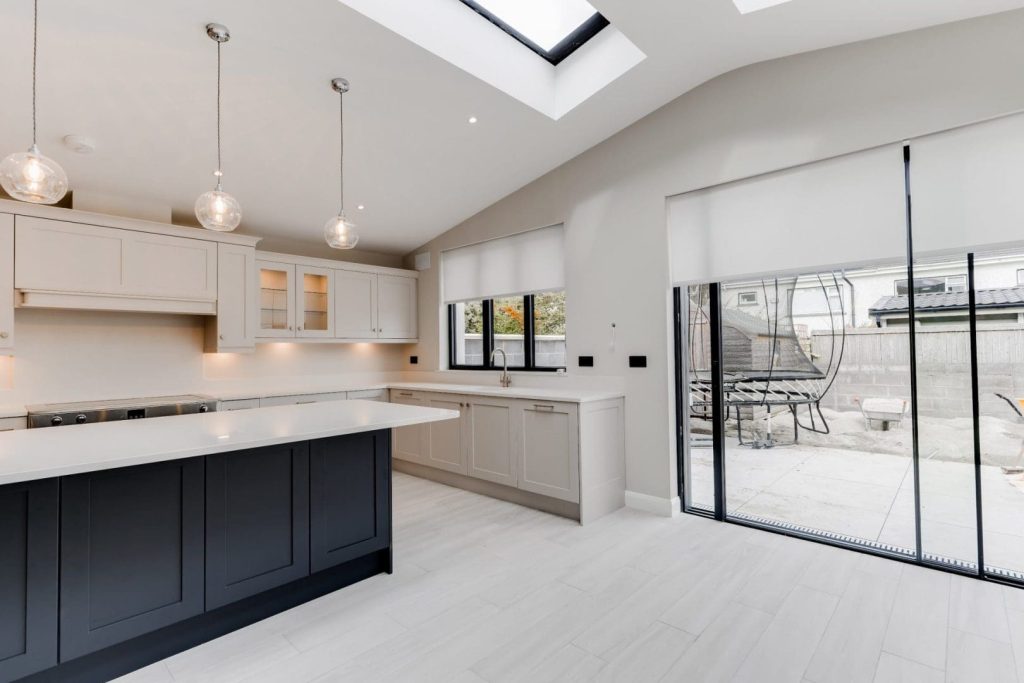
Open-plan living continues to dominate kitchen extension projects, but with a more thoughtful approach. Instead of one large empty space, homeowners now prefer layouts that subtly define different zones for cooking, dining, relaxing, and working.

This is achieved through kitchen islands, ceiling features, lighting design, and sliding glass partitions. These elements maintain openness while offering privacy and noise control when needed. The result is a space that feels both expansive and practical ideal for busy households and social gatherings alike.

Maximising Natural Light and Outdoor Connection

One of the most noticeable trends in Blackrock is the strong emphasis on natural light. Kitchen extensions increasingly feature large glazed panels, skylights, and roof lanterns to brighten interiors and reduce reliance on artificial lighting.

Bi-fold and sliding doors are especially popular, opening kitchens directly onto gardens or patios. This design not only enhances everyday living but also creates a seamless indoor outdoor flow that works beautifully during warmer months. Homes feel larger, brighter, and more connected to nature.

Contemporary Materials and Timeless Finishes

Modern kitchen extensions are defined by clean lines and carefully chosen materials. Blackrock homeowners are favouring combinations that feel luxurious yet understated, such as:

  • Quartz or porcelain worktops
  • Handle-less cabinetry
  • Natural wood textures
  • Matte black or brushed brass fixtures

Neutral palettes remain popular, with personality added through lighting features, splashbacks, and bespoke storage solutions. This approach ensures the kitchen stays stylish for years rather than following short-lived trends.

Smart Kitchens for Modern Living

Technology has become a core part of kitchen design. Many modern extensions now incorporate smart appliances, energy-efficient systems, and integrated lighting controls. Features such as boiling-water taps, concealed charging stations, and app-controlled heating add both comfort and convenience.

These upgrades don’t just enhance lifestyle they also improve the long-term performance and desirability of the home.

Family-Friendly and Functional Layouts

Kitchen extensions in Blackrock are increasingly designed around real family needs. This includes walk-in pantries, utility spaces, large islands with seating, and dedicated areas for homework or remote work.

Hidden storage, soft-close cabinetry, and clutter-free layouts make kitchens easier to maintain and more enjoyable to use. The goal is to create a central hub that supports daily routines while remaining welcoming and visually calm.

Sustainability and Energy Efficiency

Eco-conscious design is no longer optional it’s a priority. Modern kitchen extensions are now built with high-performance insulation, advanced glazing, and energy-efficient lighting and appliances. Many homeowners are also choosing sustainable materials and heating solutions that reduce environmental impact and lower running costs.

A well-designed extension not only looks good but also makes the home warmer, quieter, and more economical to run.

Planning Your Budget with Confidence

Understanding your budget early is essential to a successful project. Size, layout changes, structural work, and finish quality all influence overall pricing. Many homeowners researching kitchen extension cost Dublin are looking not only for affordability, but for clarity, quality, and long-term value.

A professionally delivered kitchen extension is one of the strongest investments you can make, adding significant appeal, usability, and resale potential to your Blackrock home.

Why Blackrock Homes Are Ideal for Kitchen Extensions

Blackrock properties often offer strong foundations for rear and side extensions, generous gardens, and excellent natural light. Combined with high local property values and a growing demand for modern living spaces, kitchen extensions in the area continue to rise in popularity.

Homeowners are choosing to improve rather than move transforming outdated kitchens into bright, contemporary spaces that truly fit modern lifestyles.

Frequently Asked Questions

Q1. Do I need planning permission for a kitchen extension in Blackrock?

Some small extensions may fall under exempt development, but this depends on size, design, and location. It is always best to seek professional advice to ensure full compliance with planning and building regulations.

Q2. How long does a typical kitchen extension take to complete?

On average, construction takes between 8 and 14 weeks, depending on complexity, weather, and structural requirements. Additional time should be allowed for design, permissions, and finishes.

Q3. What features add the most value to a kitchen extension?

Natural light, open layouts, energy efficiency, quality materials, and strong indoor–outdoor connections add the greatest long-term value. Well-designed storage and modern appliances are also major selling points.

Q4. Can I stay in my home during the build?

In many cases, yes. However, there may be temporary disruption. An experienced contractor will phase the work carefully to minimise inconvenience and maintain household safety.

Read More

Period Home Renovation Mistakes to Avoid in Dublin

Period homes offer timeless character, architectural detail, and craftsmanship that modern houses often cannot replicate. From Georgian townhouses to Victorian terraces and Edwardian family homes, these properties bring charm and history but they also require a very different approach to renovation. Without the right planning and expertise, it’s easy to make costly mistakes that can damage the structure, reduce value, and compromise the health of the building.

Whether you’re planning a full refurbishment or targeted upgrades, understanding the most common mistakes can help you protect your investment and achieve better long-term results.

Period Home Renovation Mistakes to Avoid in Dublin 1. Starting Work Without Proper Assessment
One of the biggest mistakes homeowners make is beginning renovations without a full understanding of how their home was built. Period properties were constructed using traditional methods and breathable materials that behave very differently from modern systems.

Hidden issues such as damp, timber decay, outdated wiring, and structural movement are common. Without a detailed survey, renovation work can uncover serious problems mid-project, leading to delays, stress, and escalating costs.

A professional assessment allows you to plan correctly from the start, prioritise essential works, and avoid unexpected complications.

2. Using Inappropriate Modern Materials

Applying modern solutions to old buildings is one of the most damaging mistakes. Cement renders, waterproof coatings, and non-breathable insulation can trap moisture inside walls, leading to mould, internal damp, and decay of brickwork and timber.

Period homes need materials that work with the building, not against it. Breathable plasters, lime-based mortars, and compatible insulation systems allow moisture to escape naturally and help maintain a healthy indoor environment.

Renovation should always respect the original structure while improving comfort and performance.

3. Removing or Replacing Original Features

Original elements such as sash windows, fireplaces, cornicing, internal doors, staircases, and timber floors are a major part of what gives period homes their value and character. Removing these features for convenience or short-term aesthetics often results in regret.

Rather than stripping out, successful renovations focus on restoration and integration. Original features can often be repaired, upgraded, or incorporated into modern layouts while maintaining their historic appeal.

Once removed, true craftsmanship is extremely difficult and costly to replicate.

4. Ignoring Underlying Structural Problems

Cracks, sloping floors, sticking doors, and recurring damp are not just cosmetic issues. They often indicate deeper structural or moisture-related problems. Simply covering these with new finishes does not solve the cause and can make future repairs far more complex.

Period home renovation should always prioritise the health of the building before cosmetic upgrades. Addressing foundations, roof structures, drainage, and timber integrity protects the long-term stability of the property.

5. Poor Planning and Lack of Compliance

Many period properties fall within conservation areas or are protected structures. Making changes without checking planning requirements can result in enforcement notices, legal issues, and costly rework.

Even when planning permission is not required, building regulations still apply. Fire safety, insulation upgrades, ventilation, and structural alterations must be handled carefully to suit older buildings.

Early professional input helps ensure the renovation complies with regulations while preserving the home’s character.

6. Treating a Period Home Like a Modern Build

A critical mistake is assuming that what works in a new home will work in a 100-year-old one. Period properties need bespoke solutions. Standard renovation approaches can unintentionally cause damp, poor air quality, and material failure.

Homeowners researching period home renovations Dublin often discover that successful projects combine heritage understanding, modern performance goals, and skilled craftsmanship rather than generic renovation methods.

7. Choosing Contractors Without Period Experience

Not all builders are experienced in working with older buildings. Lack of period knowledge can result in inappropriate materials, loss of original detailing, and preventable structural issues.

When planning a project, homeowners exploring period property renovation Dublin should look for teams with a strong portfolio of heritage and period work. Experience ensures that modern upgrades are delivered without compromising historical value.

Why Avoiding These Mistakes Matters

A well-executed period renovation can dramatically improve comfort, safety, and efficiency while preserving what makes the home special. When done correctly, it can:

  • Extend the life of the building
  • Improve indoor comfort and air quality
  • Protect original architectural features
  • Increase long-term property value
  • Reduce future maintenance issues

Avoiding common mistakes ensures your renovation strengthens the home rather than undermining it.

Frequently Asked Questions

Q1. Why are period homes more challenging to renovate?

They use traditional construction methods and breathable materials that respond differently to moisture, heat, and movement. Renovations must work with these systems rather than replacing them with incompatible modern solutions.

Q2. Can I modernise a period home without losing its character?

Yes. Thoughtful renovations integrate modern comfort and efficiency while restoring and highlighting original features. The key is sensitive design and appropriate materials.

Q3. Do I need a specialist survey before renovating?

Yes. Period home surveys identify hidden issues such as damp, timber decay, and structural movement, allowing works to be planned correctly and safely.

Q4. Is planning permission always required?

Not always, but many period homes are in conservation areas or protected. Even internal works can be restricted. Always check requirements before starting.

Final Thoughts

Renovating a period home is both an opportunity and a responsibility. These buildings reward careful planning, specialist knowledge, and respectful craftsmanship. By avoiding common renovation mistakes, homeowners can protect architectural heritage, improve daily living, and secure the long-term health of their property.

Read More

The Cost Breakdown of a Deep Retrofit in Dublin

A deep retrofit is one of the most effective ways to upgrade an older or inefficient home into a healthier, more comfortable, and energy-efficient living space. In Dublin, where a large number of homes were built long before modern building standards, deep retrofits are becoming increasingly popular among homeowners who want to future-proof their properties, improve indoor comfort, and support long-term sustainability.

When people first begin researching this type of project, they often start by looking into deep retrofit cost Ireland. While this is a natural place to begin, it’s important to understand that deep retrofit projects are never priced in a fixed or generic way. Every home is different. Construction methods, age, condition, layout, and energy performance all play a role in shaping the scope of work and the overall investment required.

Rather than focusing on a single figure, homeowners benefit more from understanding what elements contribute to the cost and why a personalised assessment is essential.

The Cost Breakdown of a Deep Retrofit in Dublin Why Deep Retrofit Costs Vary

A deep retrofit takes a whole-house approach. Instead of upgrading isolated areas, it looks at how the entire building performs as a system. This means addressing heat loss, air leakage, moisture control, heating efficiency, and ventilation together. Because no two homes are built or maintained the same way, the work involved can vary significantly.

Several key areas typically influence the overall project scope.

Core Areas That Shape a Deep Retrofit Project

1. Building Fabric and Insulation

Improving the building envelope is at the heart of any deep retrofit. This may involve wall insulation, attic and roof upgrades, floor treatments, and solutions to reduce thermal bridging. The type of construction solid wall, cavity wall, or mixed build has a major influence on how this work is carried out. Access, existing finishes, and structural condition also affect how extensive this stage needs to be.

A properly upgraded fabric reduces heat loss, improves comfort, and ensures that any heating system performs effectively.

2. Windows, Doors, and Airtightness

Older windows, doors, and uncontrolled gaps in the structure are major sources of energy loss. Deep retrofit projects often include upgraded glazing, improved doors, and comprehensive airtightness measures. This work not only improves thermal performance but also enhances noise reduction, eliminates drafts, and supports long-term building health.

The number of openings, detailing around junctions, and the overall size of the property influence the complexity of this stage.

3. Heating and Ventilation Systems

Once the home’s fabric is improved, heating and ventilation systems can be properly designed. Modern deep retrofits focus on efficient, low-temperature heating solutions and ventilation systems that maintain fresh air while retaining heat.

Because every home has different heat demand, layouts, and occupancy patterns, these systems must be carefully specified and integrated. This is why professional design and installation are critical components of any deep retrofit.

4. Renewable Energy and Smart Controls

Many homeowners choose to incorporate renewable technologies and smart energy controls into their retrofit. These solutions are tailored to the property’s orientation, energy needs, and long-term goals. Roof structure, electrical systems, and future plans all influence what options are suitable and how they are implemented.

5. Assessment, Design, and Project Coordination

Deep retrofits require more than construction work. Energy assessments, technical surveys, performance testing, and coordinated project management are essential to achieving meaningful results. This planning ensures that each upgrade supports the next and that the home performs as intended once the work is complete.

House Retrofit Cost in Dublin: Why Local Homes Are Unique

Homeowners researching house retrofit cost Dublin often find that local property types come with specific challenges. Many Dublin homes are period properties or solid-wall houses located in dense residential areas. These factors can influence access, insulation methods, detailing, and the sequencing of works.

In some cases, homeowners also plan to remain living in the property during the retrofit, which affects project organisation and timelines. All of this reinforces why deep retrofits in Dublin are highly tailored projects rather than standard renovation jobs.

Why a Personal Assessment Is Essential

A deep retrofit is not a product you buy it is a process designed around your home. Meaningful guidance can only be given after understanding:

  • The current condition and structure of the building
  • Where heat and energy are being lost
  • What level of performance improvement is being targeted
  • How the home is used day-to-day
  • Long-term comfort, efficiency, and sustainability goals

This is why professional assessments are the foundation of any successful deep retrofit project.

Frequently Asked Questions

Q1. Why can’t a deep retrofit be given a standard price?

Because every home differs in age, construction, condition, and performance, the scope of work is never identical. Deep retrofits are designed around what each property actually needs, not pre-set packages.

Q2. Can a deep retrofit be completed in phases?

Yes. Many homeowners choose to carry out deep retrofit projects in structured stages. A professional plan ensures early upgrades support future works without unnecessary redoing.

Q3. Is a deep retrofit only about energy efficiency?

No. While reducing energy use is central, deep retrofits also improve thermal comfort, indoor air quality, moisture control, sound insulation, and long-term building durability.

Q4. Do I need expert guidance before starting?

Yes. Deep retrofits involve building science, correct sequencing, and performance testing. Professional guidance ensures the project delivers genuine, long-term results.

Final Thoughts

The cost breakdown of a deep retrofit in Dublin is shaped by the home’s condition, the performance goals, and the level of transformation required. Instead of focusing on figures alone, homeowners are better served by understanding the process, the key components, and the importance of tailored planning.

A deep retrofit is ultimately an investment in how your home feels, functions, and supports everyday living now and into the future.

Read More

Choosing the Right Builder in Dublin: What to Look For

Choosing a builder is one of the most important decisions you will make when planning any construction or renovation project. Whether you are extending your home, upgrading a commercial space, or building from the ground up, the quality of your builder will directly impact the final result, the overall cost, and your peace of mind throughout the process. With so many builders Dublin homeowners can choose from, knowing what to look for can help you make a confident, informed decision.

The right builder does more than carry out construction work. They help you understand the process, communicate clearly, manage timelines, coordinate trades, and ensure that all work meets safety and building regulations. Below is a complete guide to help you choose the right professional for your Dublin project.

Choosing the Right Builder in Dublin   1. Experience and Proven Results

Experience is one of the strongest indicators of a builder’s reliability. A reputable builder should be able to demonstrate a portfolio of completed projects and show clear evidence of consistent, high-quality workmanship.

When reviewing potential builders Dublin clients trust, look for experience in projects similar to yours. A builder who regularly completes renovations, extensions, or full builds will be better equipped to anticipate challenges, manage structural requirements, and deliver a high-quality result.

An experienced builder will also be able to advise on design options, materials, and construction methods that suit Dublin properties and local conditions.

2. Licensing, Insurance, and Compliance

Professional credentials are non-negotiable. Any builder you hire should operate legally, follow Irish building regulations, and hold appropriate insurance. This protects both you and the construction team in the event of accidents, structural issues, or unforeseen problems.

Reputable building contractors Dublin property owners work with take compliance seriously. They understand planning processes, safety standards, and inspection requirements, ensuring your project progresses smoothly and responsibly from start to finish.

3. Clear Communication and Honest Pricing

Strong communication is often the difference between a stressful project and a successful one. A quality builder will take time to understand your goals, explain the process clearly, and provide realistic expectations.

You should receive a detailed written quotation outlining labour, materials, timelines, and payment schedules. Transparency at this stage prevents disputes later and allows you to plan your budget properly. Builders who avoid vague pricing and unclear agreements are far more likely to deliver a smooth experience.

When assessing building contractors Dublin homeowners recommend, notice how promptly and clearly, they communicate even before work begins.

4. Local Knowledge and Practical Expertise

Dublin construction projects come with unique challenges, from planning regulations to restricted access, older building structures, and varied architectural styles. A builder with strong local experience understands these factors and can plan accordingly.

Local knowledge helps builders’ source suitable materials, schedule inspections effectively, and avoid delays caused by compliance or logistical issues. It also ensures the final build complements the character and value of surrounding properties.

5. Structured Project Management

A professional builder does more than build — they manage. This includes organising tradespeople, coordinating deliveries, overseeing safety standards, and maintaining quality control throughout the project.

Reliable builders provide written contracts, clear scopes of work, and structured timelines. This level of organisation reduces uncertainty and ensures accountability on both sides.

6. Reputation and Client Feedback

One of the most effective ways to evaluate a builder is through previous clients. Reviews, testimonials, and referrals offer insight into how a builder operates beyond marketing claims.

Consistent positive feedback about communication, cleanliness, timelines, and finished results is a strong sign of professionalism. A builder who stands behind their work will also offer warranties and after-completion support.

Final Thoughts

Choosing the right builder in Dublin is about far more than cost. It’s about trust, professionalism, experience, and communication. By focusing on proven results, compliance, local knowledge, and client reputation, you can greatly improve your chances of a smooth build and a high-quality outcome.

The right builder won’t just construct your project they will guide you through the entire process and protect the value of your investment.

Frequently Asked Questions

Q1. How do I find trustworthy builders in Dublin?

Research experienced builders with strong reviews, clear portfolios, and proper insurance. Always speak directly with potential builders, review previous work, and request detailed written quotations.

Q2. What questions should I ask before hiring a builder?

Ask about experience with similar projects, timelines, insurance coverage, subcontractors, warranties, and how unexpected issues are handled.

Q3. Are building contractors in Dublin required to carry insurance?

Yes. Reputable contractors should hold appropriate insurance to cover public liability, employees, and structural work. This is essential for legal compliance and homeowner protection.

Q4. Should I always choose the cheapest quote?

No. The lowest quote may indicate lower-quality materials, missing services, or future hidden costs. The best choice balances fair pricing with experience, transparency, and workmanship quality.

Read More

How House Extensions Increase Property Value in Dublin

Dublin’s property market continues to grow, making homeowners more aware of how valuable well-designed living space has become. With high property prices, limited availability, and the emotional and financial cost of moving, many people are choosing to improve their current homes instead. One of the most effective ways to do this is through professionally planned house extensions Dublin homeowners rely on to increase space, improve functionality, and significantly boost property value.

A house extension is not just about adding an extra room. When done properly, it transforms how a home functions, improves comfort, enhances energy efficiency, and makes the property far more attractive to potential buyers. Whether your goal is to sell in the future or create a better long-term home, an extension is both a lifestyle upgrade and a smart investment.

How House Extensions Increase Property Value in Dublin Why House Extensions Add Real Value in Dublin
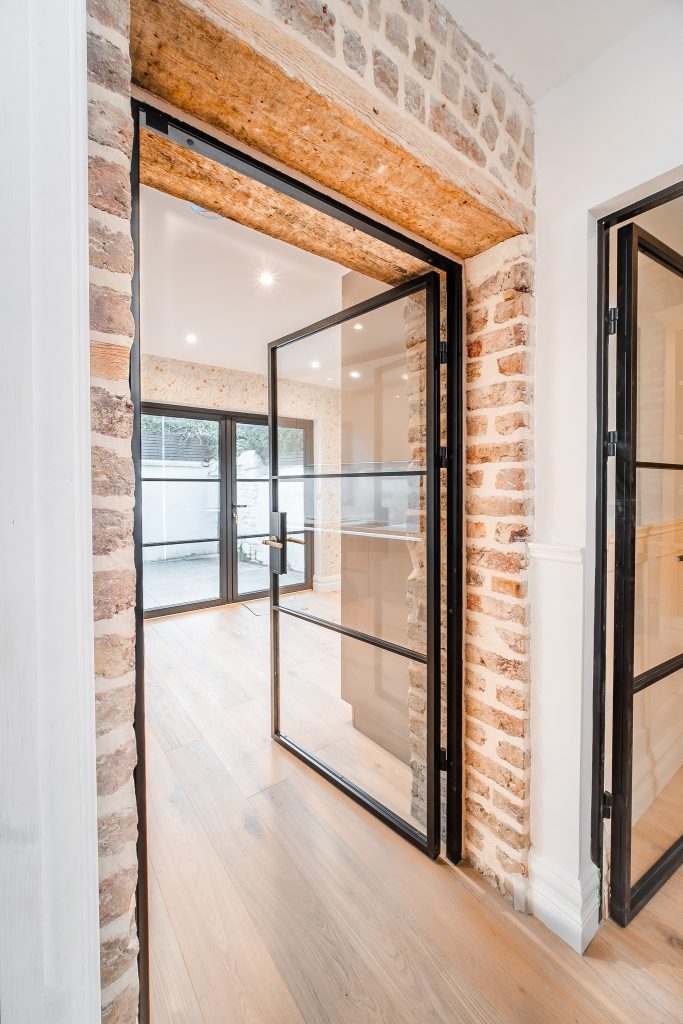
1. Creating Space That Fits Modern Living

Space is one of the most important drivers of property value in Dublin. Buyers today are not only looking for more rooms, but for better-designed homes. Open-plan kitchens, bright living areas, home offices, and flexible family spaces are now considered essential.

House extensions allow homeowners to reshape their homes around modern needs. Rear extensions can transform small kitchens into open social hubs. Side or double-storey extensions can add much-needed bedrooms and bathrooms. These improvements make a home more enjoyable to live in and significantly more appealing on the market.

Professionally built house extensions Dublin properties benefit from often become the key reason a buyer chooses one home over another.

2. Increasing Market Value and Buyer Demand

A high-quality extension can increase a Dublin property’s value by approximately 10% to 25%, depending on the size, location, and standard of work. In competitive areas, homes with extensions often sell faster and at higher prices than similar properties without them.

Buyers are willing to pay more for homes that feel complete, modern, and move-in ready. An extension suggests thoughtful investment, better living flow, and fewer future costs all of which strongly influence purchasing decisions.

3. Improving Layout, Light, and Daily Function

Many older Dublin homes were built for a different lifestyle. Small kitchens, narrow layouts, limited storage, and dark interiors are common challenges. Extensions offer an opportunity to redesign the structure of the home, not just expand it.

By opening up the back of a house, adding roof lights, or improving room connections, extensions can dramatically improve natural light, comfort, and usability. These functional improvements directly impact how buyers perceive value.

4. Enhancing Energy Efficiency and Comfort

Modern extensions must meet current building standards, meaning better insulation, improved ventilation, and stronger overall energy performance. This often leads to lower heating costs, improved indoor comfort, and better BER ratings.

When extensions are combined with a wider home renovation Dublin homeowners invest in such as upgrading windows, heating systems, layouts, and interiors the entire property benefits. Buyers are increasingly energy-conscious, and efficient homes now command stronger demand and pricing.

5. Future-Proofing Your Property

House extensions are also about long-term planning. They allow homeowners to adapt their homes for growing families, remote work, ageing in place, or even rental opportunities.

Features such as ground-floor bedrooms, home offices, multi-use family rooms, or semi-independent living spaces increase flexibility and widen buyer appeal. Homes that can evolve with lifestyle changes tend to hold their value better over time.

Which Types of Extensions Add the Most Value?

In Dublin, extensions that consistently deliver strong returns include:

  • Rear kitchen and dining extensions
  • Double-storey extensions for bedrooms and bathrooms
  • Bright open-plan living areas
  • Dedicated home office spaces
  • Self-contained or semi-independent units

The greatest value is achieved when the extension solves real problems and aligns with what buyers are actively seeking.

Conclusion

House extensions are one of the most reliable ways to increase property value in Dublin. They enhance how a home functions, improve comfort and efficiency, and significantly strengthen its market position.

With proper planning and professional execution, a house extension becomes more than added space it becomes a long-term investment that benefits both everyday living and future resale.

Frequently Asked Questions

Q1. How much can a house extension increase property value in Dublin?

A professionally built extension can increase a Dublin home’s value by around 10% to 25%. The exact impact depends on location, quality, design, and how well it integrates with the existing home.

Q2. Do house extensions always require planning permission?

Not always. Some smaller extensions may be exempt, but many require planning permission based on size, height, and location. Professional advice is essential before starting.

Q3. What type of extension is most attractive to buyers?

Open-plan kitchen and living extensions, additional bedrooms, energy-efficient spaces, and home offices are currently among the most desirable features for Dublin buyers.

Q4. Is extending better than moving house in Dublin?

In many cases, yes. Extending avoids stamp duty, moving expenses, and bidding pressure while allowing homeowners to improve comfort and increase property value.

Read More

EnerPHit Retrofit Making Older Homes Future-Proof

Many older homes across Ireland were built at a time when energy efficiency was not a priority. While these properties often have character and solid structures, they typically suffer from heat loss, draughts, rising energy bills, and poor indoor air quality. As energy costs increase and climate awareness grows, homeowners are actively seeking smarter ways to upgrade their homes. This is where an EnerPHit retrofit plays a vital role in making older homes future-proof.

EnerPHit is a globally recognised deep retrofit standard developed by the Passive House Institute specifically for existing buildings. Unlike surface-level renovations, EnerPHit focuses on transforming the overall performance of a home. The aim is to drastically reduce energy demand while significantly improving comfort, air quality, and long-term value.

EnerPHit Retrofit in Dublin What Is an EnerPHit Retrofit?

An EnerPHit retrofit is a whole-house upgrade approach that improves how a building uses and retains energy. It involves a combination of advanced insulation systems, airtight construction methods, high-performance windows and doors, and modern ventilation systems with heat recovery. When these elements work together, they create a home that requires far less energy to heat while maintaining consistent indoor temperatures.

Working with an experienced enerphit retrofit builder Dublin is essential, as EnerPHit projects require technical knowledge, precision workmanship, and careful planning. Every detail from sealing gaps to managing moisture directly impacts performance.

Why EnerPHit Retrofits Are Ideal for Older Homes

Older houses often lose heat through walls, roofs, floors, and outdated windows. They also tend to rely on inefficient heating systems and natural ventilation that allows dampness and cold air to enter. EnerPHit retrofits address these problems at their source.

Key benefits include:

  1. Major energy savings

    EnerPHit retrofits can cut heating requirements by up to 90%, meaning lower monthly bills and long-term protection against rising fuel costs.

  2. Improved indoor comfort

    After retrofit, rooms stay warm in winter and cool in summer, with no cold spots or uncomfortable draughts.

  3. Healthier living environment

    Advanced ventilation systems continuously supply filtered fresh air, reducing condensation, mould, allergens, and stale air.

  4. Long-term property value

    Energy-efficient homes are increasingly attractive in today’s property market. An EnerPHit upgrade positions your home for future regulations and buyer expectations.

  5. Reduced carbon footprint

    Lower energy demand directly supports Ireland’s sustainability and climate targets.

EnerPHit and the Growing Demand for Energy-Efficient Retrofits in Dublin

Dublin homeowners are now prioritising deep renovation rather than temporary fixes. A true EnerPHit project often forms part of a complete energy-efficient retrofit Dublin strategy, where the entire building is assessed as one system rather than isolated upgrades.

This holistic approach ensures that insulation, ventilation, airtightness, and heating solutions work together rather than against each other. Whether the property is a Victorian terrace, a mid-century semi-detached house, or a rural stone cottage, EnerPHit principles can be adapted to suit most existing structures.

What the EnerPHit Retrofit Process Looks Like

A professional EnerPHit retrofit typically begins with a detailed energy assessment and building survey. This helps identify where heat loss occurs and what structural limitations exist. From there, a tailored design plan is created that may include:

  • External or internal wall insulation
  • Roof and floor thermal upgrades
  • Triple-glazed high-performance windows and doors
  • Airtightness detailing
  • Mechanical ventilation with heat recovery
  • Upgraded low-energy heating systems

Quality control during construction is critical. Poor installation can undermine even the best materials, which is why choosing specialists in deep retrofit work makes a significant difference to final results.

Is EnerPHit Worth the Investment?

Although an EnerPHit retrofit is a higher upfront investment compared to standard renovations, it delivers long-term financial, environmental, and lifestyle benefits. Reduced utility bills, improved health, long-term compliance with building standards, and increased property value make it one of the most future-focused upgrades available for older homes.

Many homeowners also find that grant schemes and energy incentives help offset initial costs, making deep retrofit projects more achievable.


Frequently Asked Questions


Q1. What makes EnerPHit different from a standard home renovation?

EnerPHit focuses on building performance, not just appearance. It improves insulation, airtightness, ventilation, and energy use together, rather than upgrading individual elements in isolation.

Q2. Can an occupied home undergo an EnerPHit retrofit?

In some cases, yes. However, due to the scale of work involved, many homeowners choose to vacate temporarily to allow for faster completion and better results.

Q3. Will an EnerPHit retrofit change how my home looks?

The appearance can be preserved or modernised depending on your goals. Many EnerPHit projects maintain traditional aesthetics while upgrading performance behind the scenes.

Q4. How long does an EnerPHit retrofit last?

With proper design and installation, the benefits of an EnerPHit retrofit can last for decades, delivering consistent comfort, efficiency, and durability.

Read More

Internal Wood Fibre Insulation A Sustainable Choice for Homes

As homeowners become more conscious of rising energy costs, indoor comfort, and environmental responsibility, insulation choices are playing a bigger role in home improvement decisions. One solution growing rapidly in popularity is internal wood fibre insulation. Known for its excellent thermal performance, breathability, and eco-friendly composition, this insulation method offers a powerful way to improve comfort while supporting a more sustainable future.

Many property owners now turn to professional internal wood fiber insulation installers to upgrade older homes, improve energy efficiency, and create healthier living spaces. Whether you’re renovating a period property or modernising a family home, internal wood fibre insulation provides both immediate and long-term benefits.

This guide covers everything you need to know — from what it is and how it works, to why it’s a smart investment for comfort, efficiency, and sustainability.

Internal Wood Fibre InsulationWhat Is Internal Wood Fibre Insulation?
Internal wood fibre insulation is made from natural wood fibres, usually sourced from recycled or responsibly managed forests. These fibres are compressed into boards or batts and installed on the inside of external walls. The system is then finished with breathable plaster or natural renders, creating a warm, airtight, and moisture-balanced internal surface.

Unlike synthetic insulation materials, wood fibre is vapour-permeable. This means it allows walls to “breathe,” helping regulate moisture levels inside the home. This quality makes it particularly suitable for older buildings where trapped moisture can lead to dampness, mould, and structural damage.

Why Homeowners Are Choosing Wood Fibre Insulation

1. Sustainable and Eco-Friendly

Wood fibre insulation is one of the most environmentally responsible insulation options available. It uses renewable raw materials, requires relatively low energy to manufacture, and stores carbon rather than releasing it. For homeowners aiming to reduce their environmental footprint, this makes it an ideal solution.

2. Excellent Thermal Performance

Wood fibre boards provide outstanding thermal resistance. They slow heat transfer, keeping homes warmer in winter and cooler in summer. This stabilises indoor temperatures and reduces reliance on heating systems, leading to lower energy bills.

3. Superior Moisture Control

Because wood fibre is hygroscopic, it can absorb and release moisture safely. This helps protect walls from condensation and damp issues while creating a healthier indoor environment. This feature is especially valuable in Ireland’s climate and in older solid-wall properties.

4. Improved Acoustic Comfort

Internal wood fibre insulation doesn’t just improve thermal comfort it also reduces noise transmission. This makes living spaces quieter, calmer, and more private.

Ideal Applications for Internal Wood Fibre Insulation

Internal wood fibre insulation is particularly well-suited for:

  • Period and protected buildings
  • Solid wall homes
  • Renovation and retrofit projects
  • Homes experiencing damp or condensation
  • Eco-conscious self-builds and upgrades

When installed correctly, it enhances building performance without compromising the character or integrity of the structure.

Many homeowners also combine internal systems with natural finishes or complementary external solutions, often working alongside naturheld wood fibre insulation installers to achieve whole-house efficiency upgrades.

The Installation Process Explained

  1. Property Assessment – Existing walls are inspected for damp, ventilation, and structural condition.
  2. System Design – Thickness, fixing methods, and finishes are selected to suit the building.
  3. Surface Preparation – Walls are repaired and prepared to ensure long-term performance.
  4. Insulation Installation – Wood fibre boards are mechanically fixed or bonded to the walls.
  5. Finishing Layers – Breathable plaster or render systems are applied, ready for decoration.

Because internal insulation changes how walls behave thermally and structurally, working with experienced internal wood fiber insulation installers is essential to avoid issues such as thermal bridging or trapped moisture.

Long-Term Benefits of Internal Wood Fibre Insulation

  • Reduced heating costs
  • Increased comfort year-round
  • Improved indoor air quality
  • Lower carbon footprint
  • Enhanced building protection
  • Increased property appeal and value

This makes wood fibre insulation not only a comfort upgrade, but a long-term investment in both property performance and environmental responsibility.

Frequently Asked Questions

Q1. Is internal wood fibre insulation suitable for older homes?

Yes. It is particularly suitable for older and solid-wall properties because it allows walls to breathe, reducing the risk of trapped moisture, dampness, and mould.

Q2. Will internal insulation reduce room size?

Internal systems do slightly reduce internal wall dimensions, but modern wood fibre boards are designed to offer high performance with minimal space loss.

Q3. Does wood fibre insulation really help with damp?

Yes. Wood fibre regulates moisture naturally. It absorbs excess humidity and releases it safely, helping prevent condensation and surface mould.

Q4. How long does wood fibre insulation last?

When installed correctly, wood fibre insulation systems are extremely durable and can perform effectively for several decades with minimal maintenance.

Final Thoughts

Internal wood fibre insulation offers a rare combination of performance, sustainability, and long-term protection. It improves comfort, reduces energy consumption, supports healthier living environments, and aligns perfectly with modern eco-conscious building standards.

Whether you’re upgrading a traditional home or planning a deep energy retrofit, working with experienced internal wood fiber insulation installers ensures your system is tailored, breathable, and built to last. For homeowners seeking natural solutions that deliver real results, and for projects that may integrate broader efficiency upgrades with naturheld wood fibre insulation installers, wood fibre insulation stands out as one of the smartest and most future-focused choices available.

Read More

Core and Shell House Extensions: Maximize Space and Style

As modern lifestyles evolve, many homeowners find that their current living space no longer supports their needs. Whether it’s a growing family, remote working, or the desire for a more open and functional layout, extending your home can be a far more practical option than moving. One of the most flexible and increasingly popular solutions is the core and shell house extension.

For homeowners considering a core and shell house extension Dublin service, this approach offers a perfect balance between professional construction and personal freedom. It allows you to build a strong, weather-tight extension while keeping control over how and when the interior is completed.

This guide provides complete A–Z insight into what core and shell extensions are, their benefits, how the process works, and why they are a smart long-term investment.

Core and Shell House Extensions: Maximise Space & Style
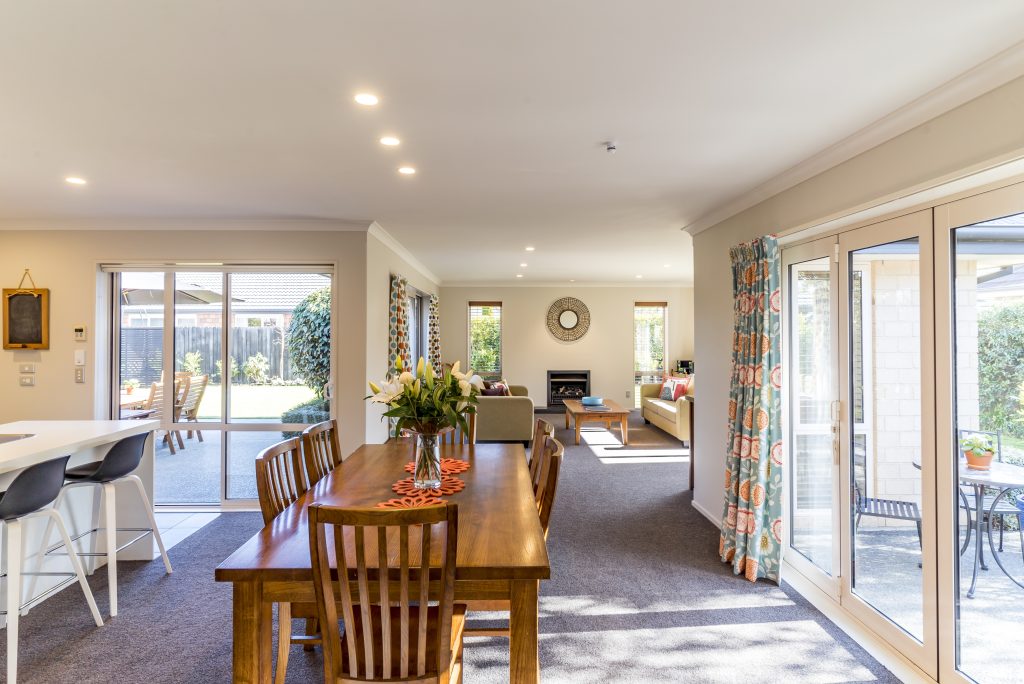
The interior with a bid dining room of a modern private house

What Is a Core and Shell House Extension?

A core and shell house extension focuses on completing the essential structure of the new space. This typically includes:

  • Site preparation and foundations
  • Structural framework and walls
  • Roofing and insulation
  • Windows and external doors
  • External finishes and weatherproofing

Once this stage is complete, the extension is fully enclosed and protected from the elements. The internal fit-out such as plumbing, electrics, plastering, heating systems, kitchens, bathrooms, flooring, and decoration can then be completed at a later stage or in phases.

This approach is ideal for homeowners who want flexibility, budget control, and the ability to customise their space without being rushed into design decisions.

Key Benefits of Core and Shell House Extensions

1. Maximum Design Freedom

One of the biggest advantages of a core and shell extension is creative control. You are not locked into specific finishes, layouts, or styles. Whether your goal is a bright open-plan kitchen, a private home office, an extra bedroom, or a multi-purpose family space, the interior can be tailored exactly to your lifestyle.

2. Better Budget Management

A core and shell build allows costs to be spread over time. Homeowners can prioritise the main structure first and complete the interior when finances allow. This makes it an attractive alternative to full turnkey projects, which require the entire investment upfront.

3. Faster Structural Completion

Because the project focuses on the main construction elements rather than interior detailing, the structural phase is often completed more efficiently. This means your home gains enclosed space sooner, allowing you to plan the next phase at your own pace.

4. Increased Property Value

Adding space is one of the most reliable ways to increase property value. High-quality house extensions Dublin homeowners invest in consistently improve resale appeal, rental potential, and overall functionality.

Core and Shell vs Full House Extensions

A full house extension is delivered completely finished and ready to use. A core and shell extension stops once the structure is complete.

A core and shell house extension is ideal if you:

  • Want long-term design flexibility
  • Prefer to manage interior finishes yourself
  • Need to spread renovation costs
  • Plan to complete the project in stages

Both options add space and value, but a core and shell house extension Dublin homeowners choose often provides greater adaptability and control.

The Typical Process

  1. Initial Consultation and Planning – Defining goals, budget, layout, and long-term vision.
  2. Design and Approvals – Architectural drawings, structural engineering, planning permission, and building regulation compliance.
  3. Construction Phase – Groundworks, foundations, walls, floors, roof, and insulation are completed.
  4. External Completion – Windows, doors, and exterior finishes are installed, sealing the structure.
  5. Shell Handover – The extension is secure, weather-tight, and ready for internal fit-out.

From here, homeowners can either proceed immediately with interior work or schedule it for a later stage.

Why Professional Expertise Is Essential

The quality of the core structure determines the long-term performance of the extension. Poor construction can lead to heat loss, moisture issues, layout limitations, and costly future repairs.

Experienced professionals specialising in core and shell house extension Dublin projects ensure the extension is structurally sound, energy efficient, compliant with regulations, and designed to support whatever interior vision you have.

Frequently Asked Questions

Q1. What is included in a core and shell house extension?

It usually includes foundations, structural walls, roof, insulation, windows, doors, and exterior finishes. The interior is left ready for services and final finishes.

Q2. Is a core and shell extension more affordable than a full extension?

The initial build cost is generally lower because only the structure is completed. Interior work can be planned and funded later.

Q3. Do I need planning permission?

In most cases, yes. Planning permission and building regulations approval are usually required depending on the size, design, and location of the extension.

Q4. Can I fully customise the interior later?

Yes. That is one of the biggest advantages. You can design the layout, choose finishes, and install features when it suits your needs and budget.

Final Thoughts

A core and shell house extension is an excellent solution for homeowners who want to maximise space while retaining full creative control. It offers flexibility, strong long-term value, and a practical way to adapt your home to changing lifestyles.

Whether you are expanding your kitchen, adding bedrooms, creating a workspace, or future-proofing your property, professionally built house extensions Dublin homeowners rely on provide lasting benefits.

Choosing a trusted core and shell house extension Dublin service ensures your home grows with you combining space, strength, and style for years to come.

Read More

External Wall Insulation: Why It’s Worth the Investment

As energy costs continue to rise and homeowners become more focused on comfort, sustainability, and long-term savings, external wall insulation has become one of the most valuable home improvement solutions available today. Whether you own an older property, manage rental accommodation, or simply want to upgrade your home’s performance, external wall insulation offers benefits that go far beyond appearance.

In coastal and suburban areas of Dublin, where buildings are often exposed to wind, rain, and fluctuating temperatures, investing in external wall insulation Blackrock services has become an increasingly popular choice. It not only improves comfort but also significantly boosts a property’s energy efficiency and long-term value.

This guide gives you complete A–Z insight into what external wall insulation is, how it works, and why it’s a smart investment.

External Wall Insulation: Why It’s Worth the InvestmentWhat Is External Wall Insulation?

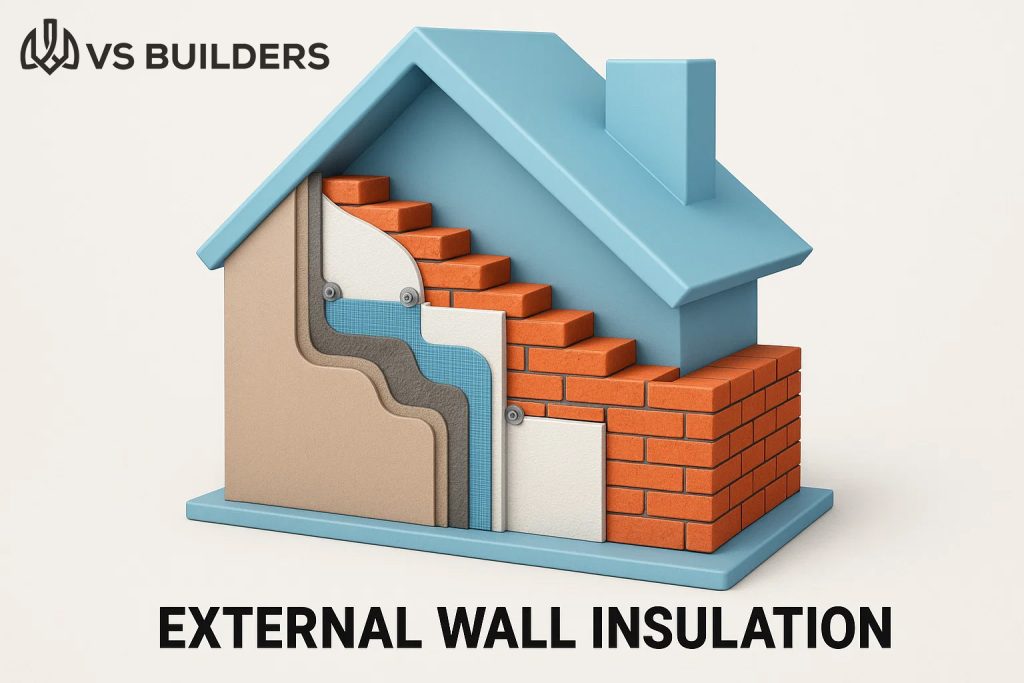
External wall insulation (EWI) is a process where a layer of insulating material is fixed to the outside walls of a building and finished with a protective render or decorative cladding. This system creates a thermal envelope around the property, reducing heat loss and protecting the structure from the elements.

Unlike internal insulation, EWI does not reduce indoor living space and causes minimal disruption to occupants. It is particularly effective for solid wall homes, which are common in many parts of Dublin and tend to lose significantly more heat than cavity wall properties.

Key Benefits of External Wall Insulation

1. Major Improvement in Energy Efficiency

Walls are responsible for a large percentage of heat loss in uninsulated homes. External wall insulation dramatically reduces this loss, helping maintain a consistent indoor temperature. This leads to lower heating demand and supports the creation of an energy-efficient home Dublin homeowners increasingly want as energy prices continue to climb.

2. Increased Comfort All Year Round

After installation, homes feel warmer in winter and cooler in summer. Cold walls, draughts, and uneven temperatures are greatly reduced. Rooms become more pleasant to use, and humidity control improves, creating a healthier living environment.

3. Lower Energy Bills

Because heat is retained more effectively, boilers and heating systems don’t have to work as hard. Over time, this leads to noticeable savings on gas or electricity bills, helping offset the initial investment.

4. Protection Against Damp and Weather Damage

Ireland’s climate exposes buildings to frequent rain, wind, and moisture. External wall insulation acts as a protective barrier, helping prevent penetrating damp, surface cracking, and long-term structural wear. It also reduces the risk of internal condensation and mould growth.

5. Enhanced Appearance and Property Value

EWI gives your property a fresh new exterior. With a wide range of modern finishes available, homeowners can dramatically upgrade the look of their house while also increasing its market appeal and resale value.

Why External Wall Insulation Is a Long-Term Investment

While external wall insulation involves an upfront cost, its long-term returns make it one of the most worthwhile building upgrades. Reduced energy bills, fewer maintenance problems, improved durability, and better comfort all contribute to long-term financial and lifestyle benefits.

Additionally, insulation upgrades contribute to reducing carbon emissions. As sustainability becomes more important to buyers, tenants, and regulators, having an energy-efficient property positions you ahead of future standards.

Professional external wall insulation Blackrock services ensure systems are correctly designed for local building types and environmental conditions, maximising both performance and longevity.

The Importance of Professional Installation

The effectiveness of external wall insulation depends heavily on correct installation. Proper preparation of surfaces, moisture management, detailing around doors and windows, and the use of high-quality materials are essential.

Experienced contractors help ensure:

  • Long-lasting finishes
  • Compliance with building regulations
  • Improved thermal and moisture performance
  • A visually attractive, durable exterior

If your aim is to achieve a truly energy-efficient home Dublin residents can rely on, professional expertise makes a major difference in long-term results.


Frequently Asked Questions

Q1. How long does external wall insulation last?

High-quality systems installed by professionals typically last 25 to 30 years or more. With proper maintenance and inspections, they can protect and insulate a building for decades.

Q2. Is external wall insulation suitable for older homes?

Yes. It is one of the best solutions for older and solid-wall properties. It significantly improves energy efficiency without the need for major internal alterations.

Q3. Will it really reduce my energy bills?

Yes. By reducing heat loss through external walls, your heating system runs more efficiently. Most homeowners notice a significant drop in energy consumption after installation.

Q4. Does external wall insulation change the look of my house?

Yes — and usually for the better. You can choose from a wide range of colours and finishes that modernise the appearance and increase kerb appeal.

Final Thoughts

External wall insulation is not just about improving how a home looks it’s about protecting your investment, reducing ongoing costs, and creating a healthier, more comfortable living space. From improving thermal performance to preventing damp issues and increasing property value, the benefits are wide-reaching.

Whether you’re upgrading an older building or future-proofing a modern property, choosing professional external wall insulation Blackrock services is a strong step toward achieving a warmer, more durable, and more energy-efficient home Dublin homeowners can depend on for years to come.

Read More
  • 1
  • 2