
How to Plan a Stress-Free Kitchen Extension

A kitchen extension is one of the most rewarding home improvement projects you can undertake. It can transform how your home looks, feels, and functions creating more space, better flow, and a central hub for family life. However, without careful planning, it can quickly become overwhelming. From budgeting and design to permissions and construction, every step matters.

If you’re considering kitchen extensions Dublin, this guide walks you through everything from A to Z so you can enjoy a smooth, stress-free experience.
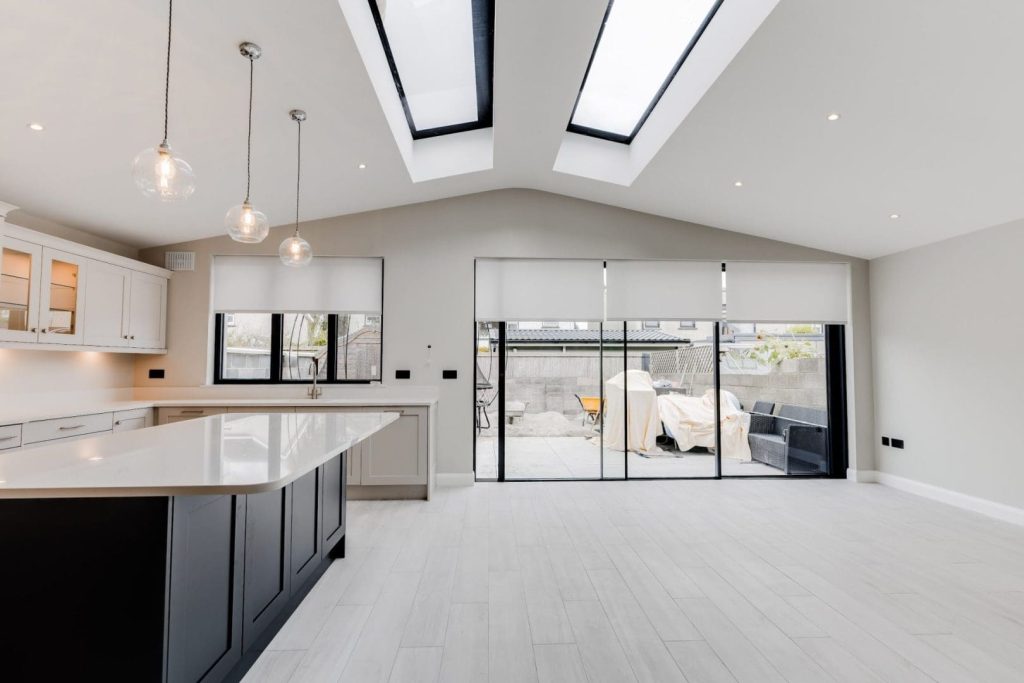
How to Plan a Stress-Free Kitchen Extension in Dublin Define Your Goals and Lifestyle Needs

Start by asking yourself why you want a kitchen extension. Is it to create an open-plan kitchen-diner? Add more storage? Improve natural light? Or increase your property’s value?

Think about:

  • How many people use the kitchen daily
  • Whether you entertain often
  • Storage and appliance need
  • Future-proofing (growing family, aging in place)

Having clear goals will guide every design and budget decision that follows and prevent costly changes mid-project.

Set a Realistic Budget Early

One of the biggest causes of stress in any extension project is unclear finances. Establishing a realistic budget early gives you boundaries and confidence.

Your budget should account for:

  • Design and architectural fees
  • Structural work and materials
  • Plumbing, electrics, heating, and insulation
  • Fixtures, fittings, and finishes
  • Contingency fund (usually 10–15%)

Understanding kitchen extension cost Dublin will help you prepare properly and avoid surprises. Costs vary depending on size, complexity, materials, and location, so professional guidance at this stage is invaluable.

Understand Planning Permission and Regulations

In Dublin, some kitchen extensions fall under permitted development, while others require planning permission. This depends on factors like size, height, location, and proximity to boundaries.

You’ll also need to comply with:

  • Building regulations
  • Structural safety requirements
  • Energy efficiency standards
  • Fire safety and ventilation rules

A professional builder or architectural designer can manage this process for you, ensuring all approvals are in place before construction begins saving time, money, and stress.

Design for Space, Light, and Flow

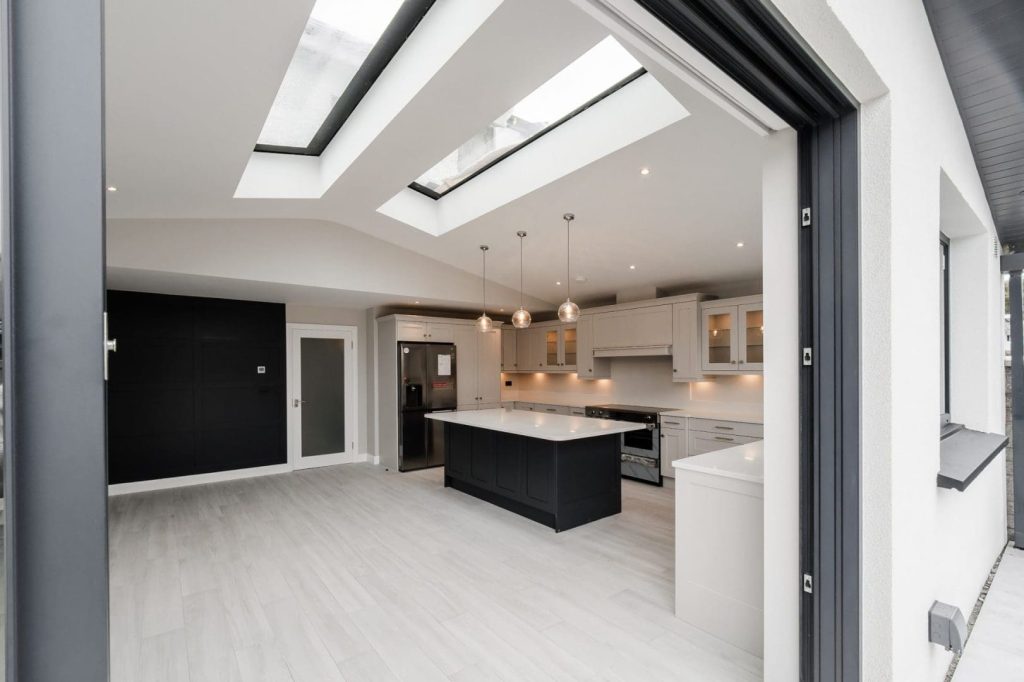
A great kitchen extension isn’t just bigger it works better. Smart design focuses on how the space flows and how it connects with the rest of your home and garden.

Key design considerations include:

  • Open-plan layouts for modern living
  • Roof lights or skylights for natural brightness
  • Bi-fold or sliding doors for indoor-outdoor living
  • Efficient kitchen work triangles
  • Integrated storage solutions

At this stage, collaborate closely with your designer to balance aesthetics with practicality.

Choose the Right Builder

The right builder can make the difference between a stressful build and a smooth, enjoyable process. Look for professionals who specialize in kitchen extensions, offer transparent quotes, and can show recent examples of similar projects.

When choosing a builder, check:

  • Reviews and testimonials
  • Insurance and certifications
  • Detailed written quotations
  • Clear timelines and communication methods

An experienced team will help coordinate trades, manage schedules, and resolve issues before they become problems.

Plan the Build Phase Carefully

Before work begins, prepare your household. Kitchen extensions often disrupt daily routines, especially if your existing kitchen is affected.

Practical steps include:

  • Setting up a temporary kitchen area
  • Agreeing on working hours
  • Discussing site access and safety
  • Planning for noise and dust management

Regular communication with your builder and scheduled progress updates keeps expectations aligned and reduce anxiety throughout the project.

Focus on Finishing Touches and Functionality

As construction wraps up, attention shifts to finishes and fittings. This is where your kitchen truly comes to life.

Think about:

  • Durable, easy-to-clean surfaces
  • Energy-efficient appliances
  • Layered lighting (task, ambient, and feature)
  • Ventilation and heating solutions
  • Storage tailored to your lifestyle

Don’t rush this stage. Quality finishes enhance both comfort and long-term value.

Final Inspections and Enjoying Your New Space

Once the project is complete, ensure all works are inspected and certified. Walk through the space carefully, noting any snagging issues that need attention.

After that enjoy it. A well-planned kitchen extension becomes the heart of your home, supporting everyday living and special moments alike.

FAQs – Kitchen Extension Planning

Q1. How long does a typical kitchen extension take?

Most kitchen extensions take between 10 to 16 weeks once construction begins. The full process, including design and approvals, can take several months, so early planning is essential.

Q2. Do I need planning permission for a kitchen extension in Dublin?

Some extensions fall under permitted development, but many require planning permission depending on size and location. It’s best to consult professionals who understand local regulations before starting.

Q3. How can I reduce stress during a kitchen extension?

Clear planning, realistic budgeting, choosing experienced builders, and maintaining regular communication are the most effective ways to keep the process smooth and stress-free.

Q4. Will a kitchen extension add value to my home?

Yes. A professionally designed kitchen extension typically increases property value, improves energy efficiency, and makes your home more attractive to future buyers.
Read More

Top Benefits of Period Property Renovations in Dublin

Dublin is home to some of Ireland’s most beautiful period properties Georgian townhouses, Victorian terraces, and Edwardian homes that showcase timeless architecture and historic character. While these properties are rich in charm, they often require thoughtful upgrades to meet modern living standards. That’s where period property renovations come in.

A well-planned period property renovation Dublin project allows homeowners to preserve the unique character of their home while improving comfort, safety, and long-term value. Below, we explore the top benefits of renovating a period property in Dublin and why it’s a worthwhile investment.

Top Benefits of Period Property Renovations in Dublin Preserving Historical Character and Charm
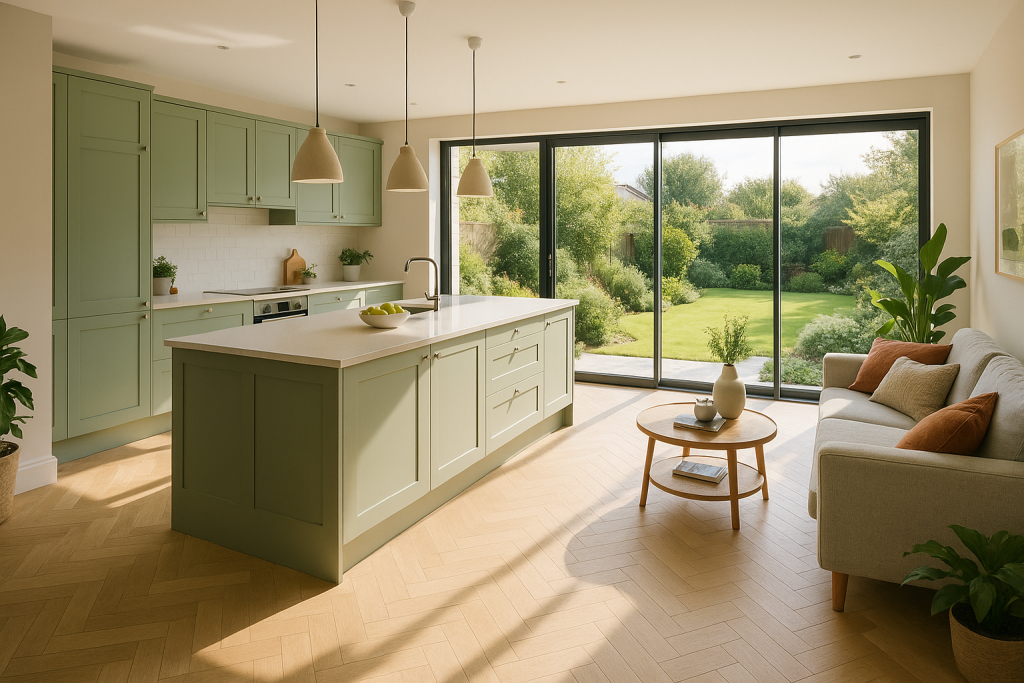
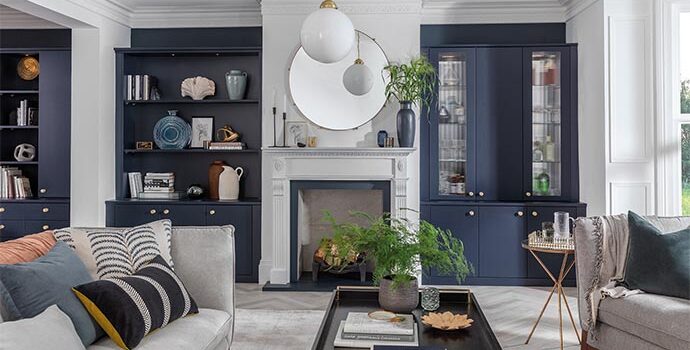
One of the biggest advantages of renovating a period home is protecting its original features. High ceilings, ornate cornices, sash windows, fireplaces, and decorative brickwork are irreplaceable elements that give period properties their soul.

Professional renovations focus on restoring rather than replacing wherever possible. This means repairing original timber, refurbishing period staircases, and carefully matching materials so the home retains its authentic look. In a city like Dublin, where architectural heritage is deeply valued, maintaining these features not only honors history but also increases desirability.

Improving Comfort and Energy Efficiency

While period homes are visually stunning, many were built long before modern insulation, heating systems, and energy standards. Renovation offers the opportunity to discreetly upgrade:

  • Wall, roof, and floor insulation
  • Energy-efficient heating systems
  • Double or secondary glazing
  • Improved ventilation

These improvements significantly enhance comfort, reduce draughts, and lower energy bills all without compromising the property’s original character. Modern technology can be integrated subtly, ensuring the home feels warm, quiet, and efficient year-round.

Enhancing Structural Safety and Longevity

Many period properties in Dublin are over a century old. Over time, issues such as damp, outdated wiring, timber decay, and foundation movement can develop. Renovation addresses these hidden problems before they become costly or dangerous.

Structural reinforcement, roof repairs, rewiring, and plumbing upgrades extend the life of the building and bring it up to current safety standards. This ensures your home is not only beautiful, but also secure and resilient for generations to come.

Increasing Property Value and Market Appeal

Renovated period homes are among the most sought-after properties in Dublin. Buyers are drawn to the blend of classic design and modern functionality. A carefully executed renovation can significantly boost market value by:

  • Enhancing aesthetic appeal
  • Improving energy ratings
  • Adding usable living space
  • Ensuring regulatory compliance

Whether you plan to sell in the future or simply protect your investment, period renovations are a smart financial decision.

Customising the Home for Modern Living

Older homes were designed for a different lifestyle. Renovation allows you to reimagine layouts while respecting architectural integrity. Open-plan kitchen extensions, additional bathrooms, attic conversions, and garden rooms can all be introduced sensitively.

With professional period home renovations Dublin homeowners can enjoy the best of both worlds historic elegance combined with contemporary convenience. The result is a space tailored to modern family life without losing its timeless appeal.

Compliance with Planning and Conservation Requirements

Dublin has specific regulations for protected structures and conservation areas. A major benefit of professional renovation is expert guidance through planning permissions, building regulations, and heritage considerations.

Specialist renovators understand how to work within these frameworks, ensuring all upgrades are compliant, approved, and respectful of the property’s historic value.

Environmental and Sustainability Benefits

Renovating an existing building is often more sustainable than demolishing and rebuilding. By upgrading insulation, improving airtightness, and incorporating energy-efficient systems, period homes can achieve impressive environmental performance.

This approach reduces construction waste, preserves embodied carbon, and supports more sustainable urban development in Dublin.

Frequently Asked Questions

Q1. Are period property renovations in Dublin expensive?

Costs vary depending on the property’s condition, size, and level of restoration required. While period renovations can be more detailed than standard refurbishments, they often deliver higher long-term value, lower energy costs, and improved resale potential.

Q2. Do I need planning permission to renovate a period home?

If your property is protected or located in a conservation area, planning permission is often required for structural changes and exterior alterations. Even for non-protected buildings, certain extensions or modifications may need approval. Professional guidance ensures all legal requirements are met.

Q3. Can modern features be added without harming the character of the home?

Yes. Skilled renovation specialists use techniques and materials that integrate modern comforts discreetly. Underfloor heating, insulation, and contemporary layouts can all be introduced while preserving original details.

Q4. How long does a period property renovation usually take?

Project timelines depend on complexity, approvals, and structural conditions. Smaller refurbishments may take a few months, while full restorations can take longer. A detailed survey and clear project plan help set realistic expectations.

Read More

How a Deep Retrofit Can Make Your Dublin Home Warmer and Cheaper

As energy efficiency becomes a growing priority in Ireland, more homeowners are looking for long-term ways to improve comfort and reduce household energy use. One of the most effective solutions available today is a deep retrofit.

A deep retrofit doesn’t just address one problem area it upgrades the entire home’s energy performance. For Dublin homeowners, this approach can significantly improve warmth, comfort, and day-to-day efficiency, especially in older properties.

house deep retrofit Dublin

What Is a Deep Retrofit?

A deep retrofit is a comprehensive energy upgrade that improves how your home retains heat, uses energy, and provides ventilation. Instead of applying individual fixes, it treats the house as a single system.

For homeowners considering a house deep retrofit Dublin project, this usually means upgrading insulation, airtightness, heating systems, and ventilation together to achieve lasting results.

Key Elements of a Deep Retrofit

  • Wall, roof, and floor insulation
  • High-performance windows and doors
  • Airtightness improvements to reduce draughts
  • Energy-efficient heating systems
  • Modern ventilation for healthier indoor air

Why Deep Retrofits Are Ideal for Dublin Homes

Many homes across Dublin were built before modern building regulations came into effect. While these properties often have great character, they typically lose heat quickly and rely heavily on traditional heating systems.

Common Issues in Older Dublin Properties

  • Cold rooms and uneven temperatures
  • Persistent draughts
  • Condensation and damp
  • High energy usage

A deep retrofit addresses these issues at their root, rather than providing temporary fixes.

How a Deep Retrofit Makes Your Home Warmer

Whole-House Insulation

By upgrading insulation throughout the building envelope, heat stays inside the home for longer. This creates a noticeably warmer living environment, even during colder months.

Reduced Heat Loss and Draughts

Improved airtightness prevents warm air from escaping and stops cold air from entering, making rooms feel more comfortable and consistent.

Better Indoor Air Quality

Advanced ventilation systems allow fresh air to circulate without sacrificing warmth, reducing moisture build-up and improving overall air quality.

How a Deep Retrofit Helps Reduce Energy Bills

While every home is different, deep retrofits are designed to lower overall energy demand. When your home retains heat efficiently, heating systems don’t need to work as hard or as often.

This leads to:

  • More predictable energy usage
  • Reduced reliance on fossil fuels
  • Improved efficiency year-round

Over time, homeowners typically notice a meaningful difference in how their home performs and how much energy it consumes.

Understanding Deep Retrofit Investment in Ireland

The deep retrofit cost Ireland homeowners encounter can vary significantly depending on factors such as property size, layout, construction type, and existing energy performance.

Rather than having a fixed price, deep retrofits are bespoke projects, tailored to the specific needs of each home. This is why professional assessment is essential before any work begins.

To better understand what influences a retrofit project, you can explore this guide on deep retrofit cost considerations in Dublin, which explains the variables involved without relying on generic figures.

Grants and Support for Deep Retrofits

Ireland offers structured support to encourage homeowners to upgrade their homes in a sustainable way.

What Support Typically Covers

  • Energy assessments and planning
  • Insulation and airtightness improvements
  • Heating and ventilation upgrades

Grant availability and eligibility depend on the type of property and the scope of work, which is why early consultation is important.

The Deep Retrofit Process Explained


1. Home Energy Assessment

Your home is evaluated to understand how energy is currently being used and lost.

2. Retrofit Design

A tailored plan is created to improve energy performance while maintaining the character of the property.

3. Coordinated Upgrade Works

All improvements are carried out as part of a single, well-managed process.

4. Final Testing and Certification

Once complete, the home’s energy efficiency is reassessed and officially certified.

Long-Term Benefits Beyond Energy Savings

Improved Comfort and Health

Warmer temperatures and better ventilation create a healthier living environment with fewer moisture-related issues.

Increased Property Appeal

Energy-efficient homes are increasingly attractive to buyers and renters in Dublin.

Environmental Responsibility

Deep retrofits support Ireland’s sustainability goals by reducing household carbon emissions.

Is a Deep Retrofit the Right Choice for You?

A deep retrofit may be suitable if:

  • Your home feels cold or difficult to heat
  • You want a long-term efficiency solution
  • You plan to remain in your home for years to come
  • Your property has an older BER rating

Every home is different, which is why a tailored approach matters.

Frequently Asked Questions (FAQs)


Q1. How do I know if my home is suitable for a deep retrofit?

Most homes can benefit, but a professional energy assessment is the best way to determine suitability and scope.

Q2. Will a deep retrofit change the appearance of my home?

Changes can be minimal or more noticeable depending on the retrofit approach, but designs are usually adapted to suit the existing style of the property.

Q3. Are deep retrofits disruptive?

Some disruption is unavoidable, but work is typically planned to minimise inconvenience and maintain liveability where possible.

Q4. Do deep retrofits really make a noticeable difference?

Yes. Homeowners consistently report improved warmth, comfort, and overall energy performance after completion.

Final Thoughts

A deep retrofit is not just an upgrade it’s a strategic improvement that transforms how your Dublin home performs every day. By addressing insulation, heating, and ventilation together, homeowners can enjoy warmer spaces, better air quality, and more efficient energy use for years to come.


Read More
Home Renovations

Making Every Corner of Your Home Warm and Inviting

House Deep Retrofit: Luxury Living Meets Sustainability

Do you dream of a home that not only feels warm and inviting but also reflects your commitment to a sustainable future? A place where every corner radiates comfort, and your energy usage aligns with your eco-conscious values? Welcome to the world of House Deep Retrofit — a transformative solution designed for discerning homeowners who value both luxury and sustainability.

What Is a House Deep Retrofit?

Imagine taking your existing home and elevating it to meet modern standards of energy efficiency, comfort, and style. A House Deep Retrofit involves upgrading your property’s insulation, heating systems, and airtightness to drastically reduce energy consumption while enhancing its aesthetic and functional appeal. It’s about creating a home that’s not only beautiful but also environmentally responsible.

Why Do Posh Homeowners Choose Deep Retrofits?

  • Energy Efficiency: Reduce energy waste while maintaining a warm and inviting atmosphere.
  • Eco-Friendly Living: Lower your carbon footprint and contribute to a greener future.
  • Luxury Comfort: Enjoy the convenience of cutting-edge heating systems and premium finishes.
  • Future-Proofing: Ensure your home meets upcoming energy regulations and standards.

According to a study by the Sustainable Energy Authority of Ireland (SEAI), homeowners who undertake deep retrofits experience up to 50% reductions in energy costs while significantly increasing the value of their properties. For many, it’s an investment that pays dividends in comfort, savings, and sustainability.

Addressing Common Questions

We understand that considering a deep retrofit raises many questions. Here are some answers to the most common queries:

1. “How much does a House Deep Retrofit cost?”

The cost varies depending on the size and condition of your property. However, grants from the SEAI and programs like Electric Ireland SuperHomes can significantly reduce the financial burden.

2. “Will my home look different after a retrofit?”

Not at all. A retrofit focuses on enhancing the functionality and efficiency of your home without compromising its aesthetic appeal. In fact, many clients find their homes feel more luxurious and refined post-retrofit.

3. “Is it really worth it?”

Absolutely. Think about waking up on a frosty winter morning to find your home still warm from the night before, or stepping inside after a chilly day to a cozy and inviting atmosphere. These daily comforts, coupled with lower energy bills, make a retrofit a lifestyle upgrade you won’t regret.

Eco-Friendly Features You’ll Love

When we retrofit a home, we focus on more than just energy efficiency. We integrate eco-friendly solutions that align with your values:

  • Renewable Heating: Air-to-water heat pumps provide efficient heating while minimizing environmental impact.
  • Airtight Insulation: Keep the heat in and the cold out with state-of-the-art insulation.
  • Low-Energy LED Lighting: Brighten your home while lowering your electricity bills.
  • Green Materials: From sustainable wood to eco-friendly paints, every detail reflects your commitment to the planet.

The Retrofit Process: Luxury Meets Simplicity

Our retrofit process is tailored to your home and lifestyle, ensuring a seamless and stress-free experience:

  1. Consultation: We’ll assess your property and discuss your goals, ensuring every detail is covered.
  2. Design and Planning: A bespoke plan is created, incorporating your aesthetic preferences and energy efficiency goals.
  3. Implementation: From airtight insulation to advanced heating systems, our team works with precision and care.
  4. Final Touches: Every detail is perfected to deliver a home that exceeds your expectations.

Claire and Michael: A Case Study

Claire and Michael, a couple in Dublin, decided to retrofit their Victorian townhouse. With the addition of underfloor heating, advanced insulation, and a sleek air-to-water heat pump, their home became a haven of warmth and sophistication. “It’s amazing how much of a difference the retrofit has made,” Claire says. “Our energy bills are lower, and we’ve never felt more comfortable in our home.”

Explore their journey and see before-and-after photos on our Projects Page.

Benefits Beyond Comfort

A House Deep Retrofit is more than an upgrade — it’s a statement. It shows your commitment to a greener future, your appreciation for quality living, and your dedication to creating a home that truly reflects who you are.

What Happens If You Don’t Retrofit?

For many homeowners, the cost of doing nothing is higher than the cost of a retrofit. Inefficient heating systems, poor insulation, and outdated technology lead to higher energy bills and a lower quality of life. Over time, the impact on your wallet and the environment can be significant.

Take the First Step Today

Don’t let another winter pass you by without making your home the warm, inviting space it should be. At VS Builders, we specialize in creating homes that are as sustainable as they are stylish.

Book Your Free Consultation

Want to learn more? Check out our comprehensive guide on Energy-Efficient Living and discover how you can transform your home and your life.

Read More
  • 1
  • 2